Uzbekistan’s authorities are preparing a major expansion of the Tashkent Metro, including the construction of new lines, shorter train intervals, and changes to the way the system operates. The proposals were presented to President Shavkat Mirziyoyev on May 13, according to the presidential press service.
The central focus of the discussion was the further development of the metro network amid Tashkent’s population growth, urban expansion, and rising pressure on public transport. Under the plans presented, authorities aim to increase the metro’s daily ridership to 1.8 million passengers by 2030. The network is also expected to expand to 79 stations and 103 kilometers of track.
From Yep.uz: In 2023, the Tashkent Metro reported daily ridership of around 690,000–700,000 passengers. According to preliminary data from the National Statistics Committee, the metro carried a total of 286.8 million passengers in 2025, or roughly 785,000 per day. The city’s four metro lines currently stretch for nearly 70 kilometers and include 50 stations.
Particular attention during the presentation was given to new routes. Authorities plan to prepare design and cost-estimate documentation for a metro line connecting Mingurik and the Chilanzar wholesale market. The project is proposed to be implemented in two phases: first, the Mingurik–Southern Railway Station section would be studied, followed by an extension to the Chilanzar market.
The presentation also addressed plans to gradually reduce train intervals to between 1.5 and 3 minutes. This would require upgrading rolling stock and expanding technical infrastructure. Between 2027 and 2030, authorities intend to prepare proposals for the purchase of new trains and the construction of an additional electric depot.
A separate set of proposals concerns the commercialization of metro infrastructure and the search for additional revenue sources. Authorities propose leasing digital advertising spaces in trains and on platforms through auctions, installing vending machines and small retail outlets, and creating parking facilities near metro stations. Unused premises could also be leased to entrepreneurs as coworking spaces and small offices.
Another proposal involves introducing a Park&Ride system, allowing commuters to switch from private cars to the metro using intercept parking lots. Similar systems are widely used in major cities to reduce traffic congestion in central areas.
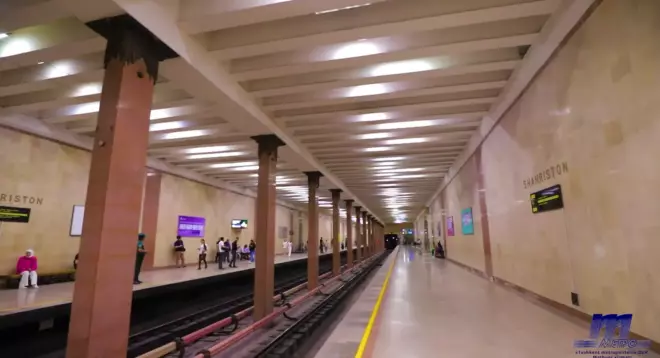
Safety issues were also highlighted among the priorities. As a pilot project, authorities propose installing glass platform screen barriers at Shahristan station. According to figures presented during the meeting, international experience shows such barriers can reduce platform-related incidents by 80–90%.
In addition, authorities plan to study possible changes to the fare system. Options under consideration include distance-based fares, daily, weekly, and monthly passes, as well as discounts for certain categories of passengers.
Following the presentation, Mirziyoyev approved the proposals and instructed relevant agencies to begin implementation. Authorities also plan to develop a separate metro development strategy for 2027–2035. The document is expected to include goals for doubling the size of the network, increasing ridership by 2.5 times, and creating a more energy-efficient transport system.
Related article:
